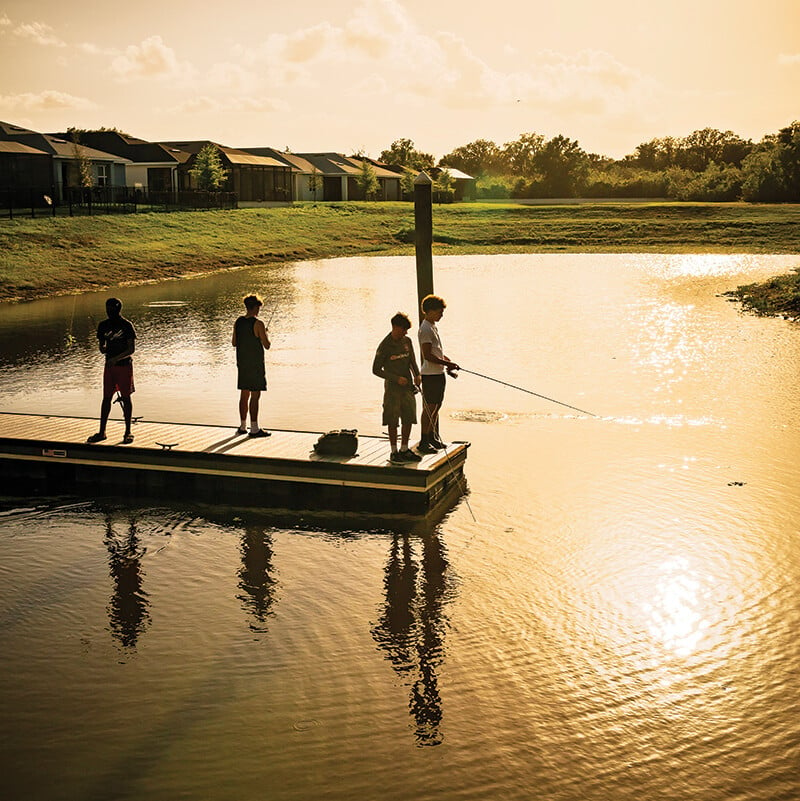
Clermont has long been known as the “Choice of Champions,” a nickname that reflects its reputation as a training ground for athletes at every level. High school standouts, regional record-breakers and world-class competitors have all found something useful in Clermont’s terrain, facilities and outdoor lifestyle.
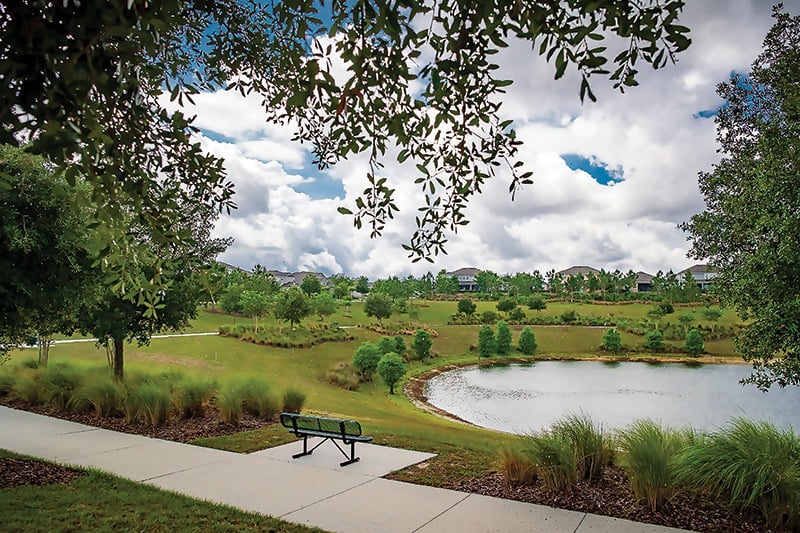
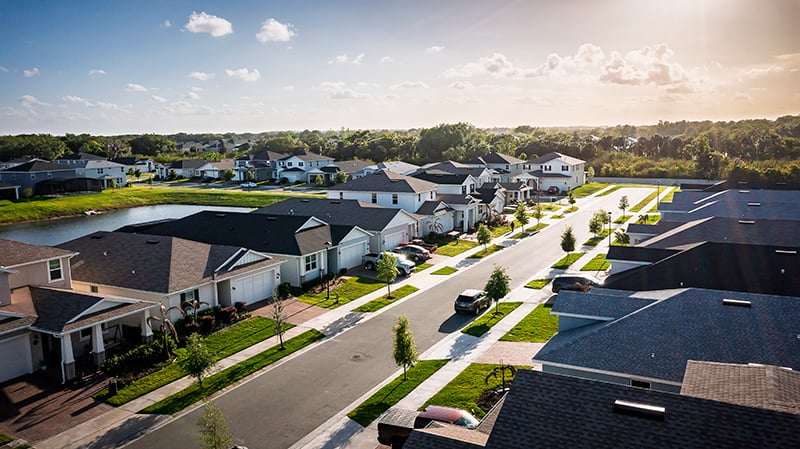
Located in Horizon West, minutes (how many depends on the traffic) from Walt Disney World and surrounded by some of Central Florida’s fastest-growing residential corridors, Hamlin is becoming one of Orlando’s most desirable places to live. It’s a community shaped by careful planning, convenient access, strong schools and a town center that gives residents a built-in gathering place for everyday life.
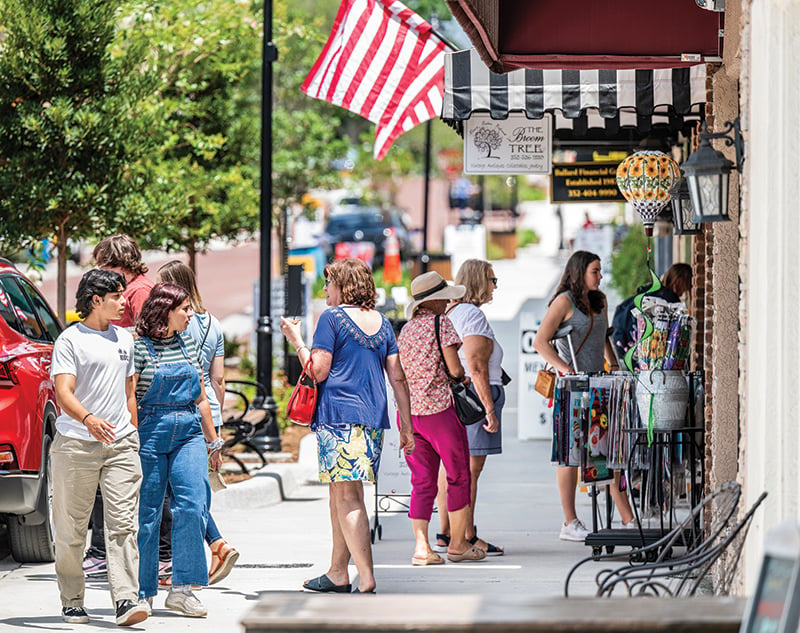
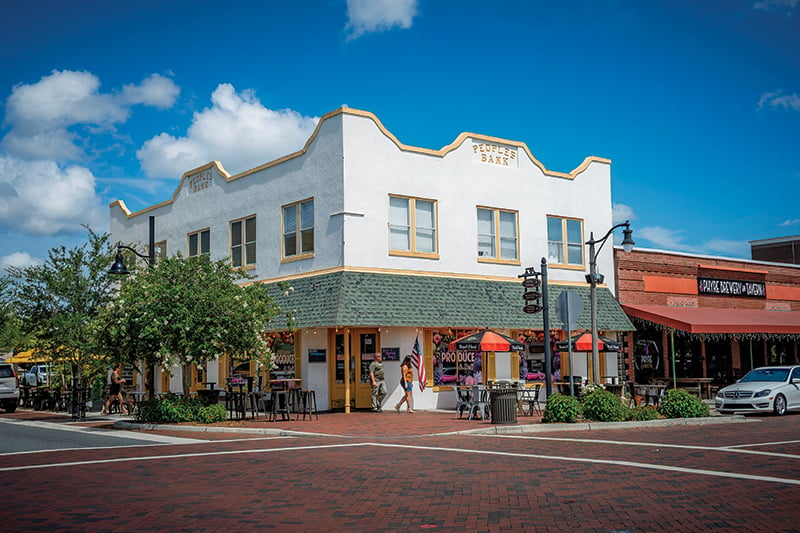
St. Cloud has long been one of Central Florida’s most quietly appealing places to live, a city with lakefront views, historic streets, family-friendly neighborhoods and a pace that feels just far enough removed from Orlando’s daily rush. But the secret is not exactly a secret anymore.
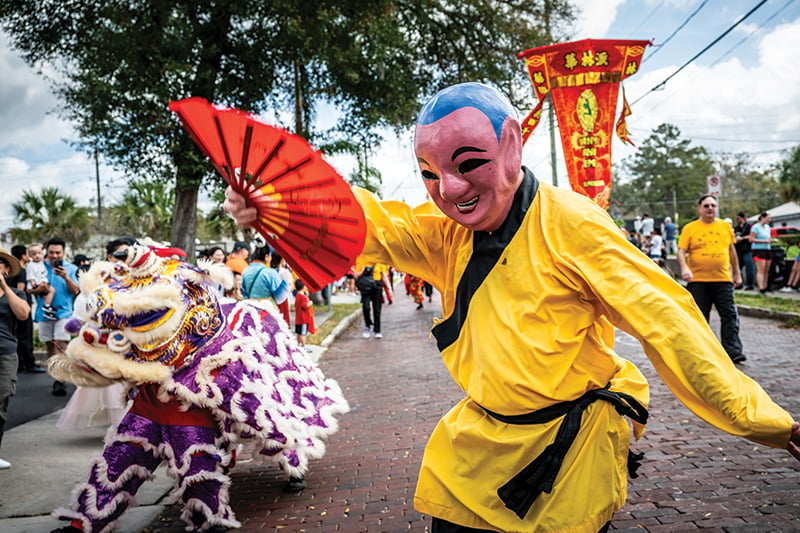
From Mills 50 and beyond, Asian American and Pacific Islander (AAPI) leaders, entrepreneurs, and advocates are redefining what belonging and influence look like in Central Florida.