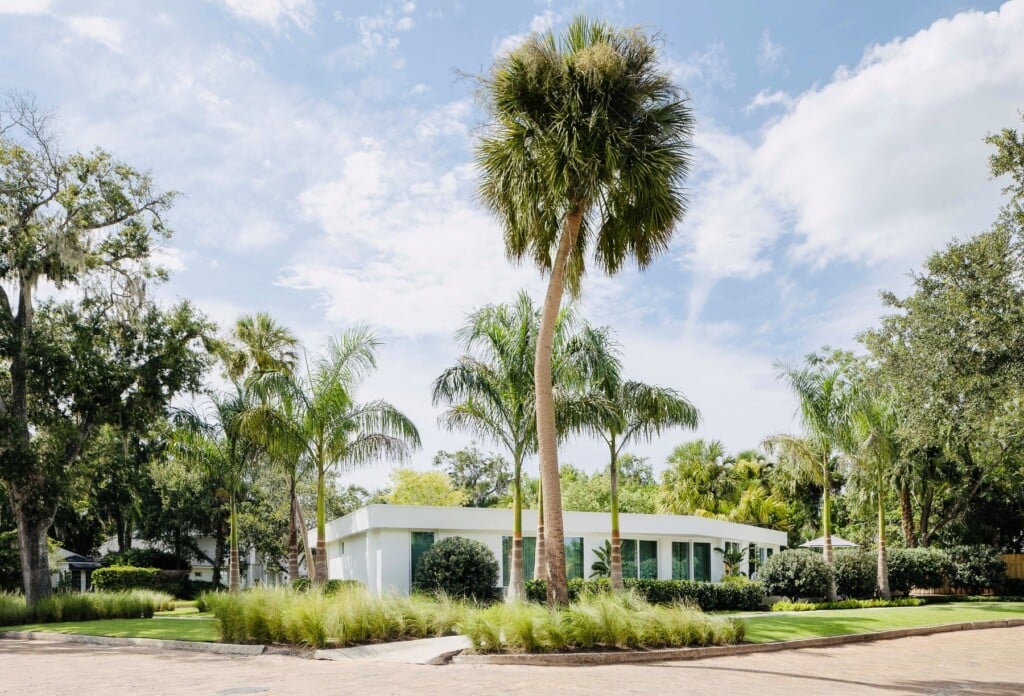
Florida’s barrier islands are not just beach towns. They are living landforms; thin, shifting ribbons of sand and dune grass shaped by wind, waves and time. They absorb storms, soften the force of hurricanes, protect the mainland and rewrite their own shorelines season after season. In a state defined by water, barrier islands are part of the front line.
Florida’s Panhandle barrier islands offer a quieter, wilder alternative to the state’s more developed coasts. Stretching along the Gulf from Pensacola to St. George Island, these narrow ribbons of sugar-white quartz sand are famed for their emerald waters, towering dunes and unspoiled shorelines. Protected stretches like Gulf Islands National Seashore preserve sea oats, shorebirds and nesting sea turtles. The Panhandle’s islands feel relaxed and authentic, where fishing villages, state parks and star-filled skies define a coastal experience rooted in nature.
Florida’s Atlantic barrier islands tend to feel breezier, wilder and more kinetic than the Gulf. The Atlantic brings more wave energy. Beaches can feel longer and more windswept. You are more likely to see surfers, kiteboarders and anglers working currents and cuts. Many Atlantic barrier islands also sit near older coastal cities, giving trips a layered feel — history in the morning, beach in the afternoon.