Orlando’s 2026-2027 Arts Season Preview: Orlando Museum of Art’s New Season Is a Love Letter to Florida
Let's explore the upcoming season!

Photo by Roberto Gonzalez.
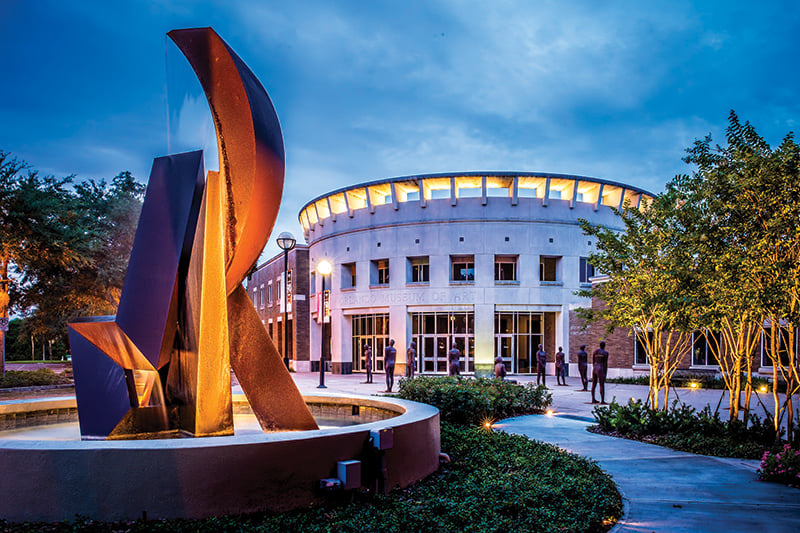
THE ORLANDO MUSEUM OF ART HAS ALWAYS CELEBRATED CREATIVITY, but its 2026-2027 season turns its focus inward, embracing the place that has shaped both its collection and its community for more than a century.
From pristine wetlands and conservation photography to roadside folk art, legendary Florida painters and some of the state’s most exciting contemporary artists, the museum’s newest lineup tells the story of Florida in all its complexity. Chief curator Coralie Claeysen-Gleyzon describes the season as both a celebration of the state’s identity and an invitation for audiences to rediscover it through fresh eyes.
“This season is a love letter to Florida,” Claeysen-Gleyzon says. “From top to bottom, our programming celebrates the Sunshine State in all its dimensions: its landscapes, its history, its eccentricities, and the extraordinary artists working here today.”
That vision threads through every exhibition on the calendar.
Fall opens with the photography of National Geographic conservation photographer Carlton Ward Jr., whose images showcase Florida’s natural beauty while underscoring the importance of protecting its fragile ecosystems. Sharing gallery space is Floridiana: Vintage Treasures & Oddities From the Sunshine State, a playful exploration of the objects, memorabilia and cultural oddities that have helped define Florida’s
delightfully offbeat character.
Together, the exhibitions offer two perspectives on the state: one rooted in environmental stewardship and another celebrating the colorful eccentricities that make Florida unlike anywhere else.
The season continues in the spring with a major exhibition devoted to A.E. “Beanie” Backus, widely regarded as the dean of Florida landscape painting. His luminous portrayals of the state’s waterways and wilderness are paired with examples from the Highwaymen, the pioneering group of African
American artists who painted vivid Florida landscapes and sold them along highways during the Jim Crow era.

Work by Carlton Ward, Jr.: Ghost Orchids. 2018, photograph, 24 x 36 in. Courtesy of Carlton Ward Jr. ©Carlton Ward
The museum then shifts firmly into the present with the return of the Florida Prize in Contemporary Art, now entering its 13th year. The juried exhibition has become one of the state’s premier showcases for living artists, highlighting the depth and diversity of Florida’s contemporary art scene.
For Claeysen-Gleyzon, supporting those artists remains one of the museum’s defining responsibilities.
“Much of our creative energy goes into deepening a commitment that has long defined the museum: fostering the practices of living artists,” she says.
Since its inception, the Florida Prize has featured more than 120 artists from across the state, offering both visibility and
career-building opportunities. But Claeysen-Gleyzon says the museum hopes to do even more.
“The ongoing challenge, and the one that excites me most, is to keep pushing the envelope: to find new ways to support these artists, not only by offering them our platform and our walls, but also financially.”
That commitment extends beyond the Florida Prize.
One of the museum’s most distinctive ongoing initiatives, Echoes of the Ancient in Contemporary Art, returns for its second year, placing works by local artists of Hispanic descent in dialogue with pieces from OMA’s renowned Art of the Ancient Americas collection. The exhibition bridges centuries of artistic expression while highlighting the cultural connections that continue to shape Central Florida today.
Families will also find something to enjoy with Hello Sophie!: The Artwork of Sophie Blackall, an exhibition featuring the enchanting illustrations of two-time Caldecott Medalist Sophie Blackall. Together, the season’s exhibitions span generations, artistic mediums and audiences while remaining connected by a common sense of place.
Although individual exhibitions may draw visitors for different reasons, Claeysen-Gleyzon encourages guests to experience the museum as a whole rather than rushing in for a single headline show.
“My recommendation is to come on a quiet day, perhaps a weekday morning, when all of the exhibitions are installed, and you have the room and the time to take in every work and immerse yourself in the different stories on view,” she says.
Without the bustle of opening receptions or crowded galleries, visitors can linger, make unexpected connections and let curiosity guide their experience.
“Visiting outside the big events lets you set your own pace, follow your curiosity, and craft an experience entirely your own,” Claeysen-Gleyzon says.
Of course, those who enjoy the excitement of a bustling museum calendar have options, too.
“Our fall season openings are always memorable,” Claeysen-Gleyzon says. “And, of course, there is the Florida Prize, the art party of the year.”
Behind the scenes, the museum is also expanding its reach through collaborations that blend art with research, technology and education. While many of those partnerships are still taking shape, Claeysen-Gleyzon says they represent new opportunities for audiences to engage with art in ways that extend beyond traditional exhibitions.
“We are also pursuing a number of new collaborations that reach into research, technology and education,” she says. “These partnerships are still taking shape, but they will open up exciting new ways for our audiences to engage with art.”
Even with those innovations, Claeysen-Gleyzon says the museum’s ultimate goal remains unchanged.

Work by Carlton Ward, Jr.: Log Jump, on view at Orlando Museum of Art this fall. 2017, photograph, 40 x 60 in. Courtesy of Carlton Ward Jr. ©Carlton Ward Jr.
“Above all, we hope people feel right at home at OMA,” she says.
She hopes visitors leave challenged by the art they encounter while also finding something increasingly rare: time to slow down.
“We want visitors to feel challenged by the art they encounter, to learn from it, from the artists and from our staff, and to come away seeing the world a little differently,” she says.
“But just as importantly, we hope the museum can be a place of solace and respite, somewhere to slow down and simply be with the work.”
Ultimately, she sees the museum as more than a destination for exhibitions.
“Our deepest wish is for OMA to be a true meeting place,” Claeysen-Gleyzon says, “a common ground where great conversations about art and about life can happen.”
That sense of connection may be what makes this season especially meaningful.