Orlando Magazine Celebrates 80 Years Of Publishing In 2026
A look back at the history of this remarkable publication.
IN 2026, ORLANDO MAGAZINE TURNS 80, a remarkable milestone for any regional publication. What began in 1946 has evolved into a rich chronicle of Orlando’s people, places, culture and transformation. As Orlando shifts and grows, the magazine remains a constant: a lens into local life, an archive of change, and a living tribute to a city and its stories.
The Early Years: From Humble Origins to Local Voice

Hugh Waters, the founder of The Orlando Attraction.
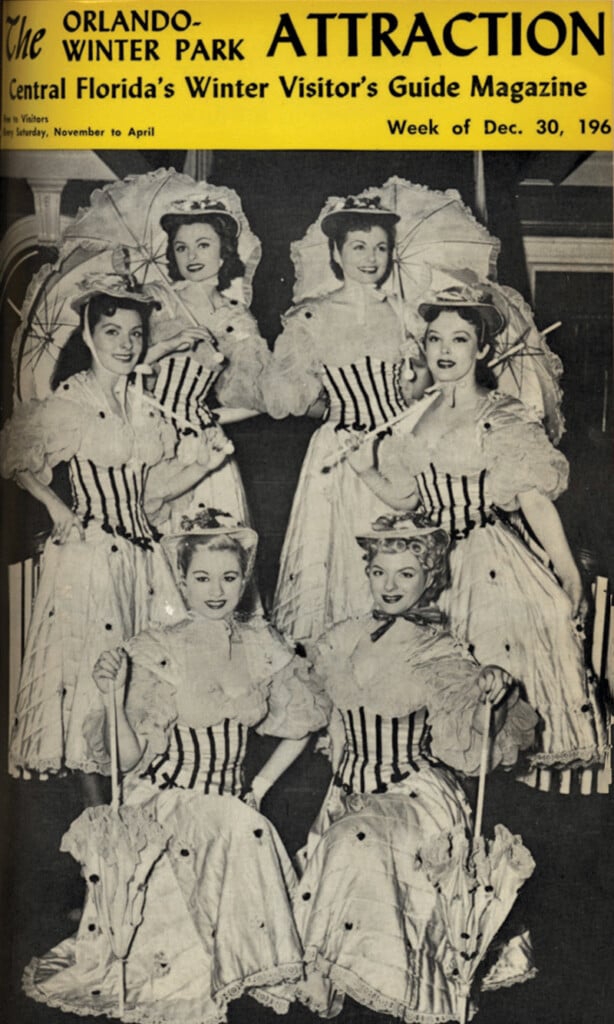
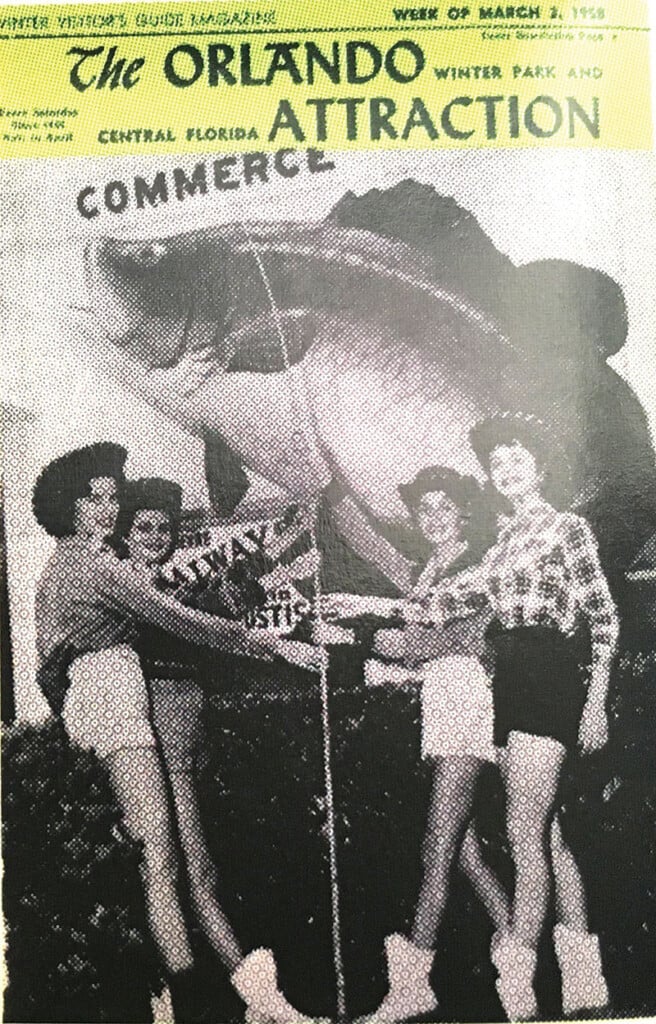
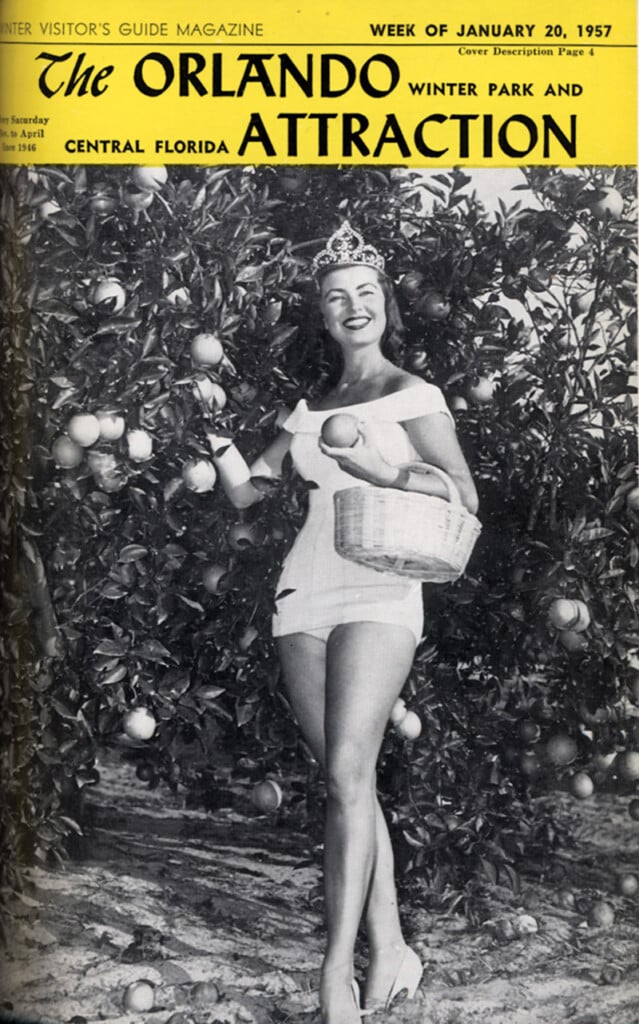
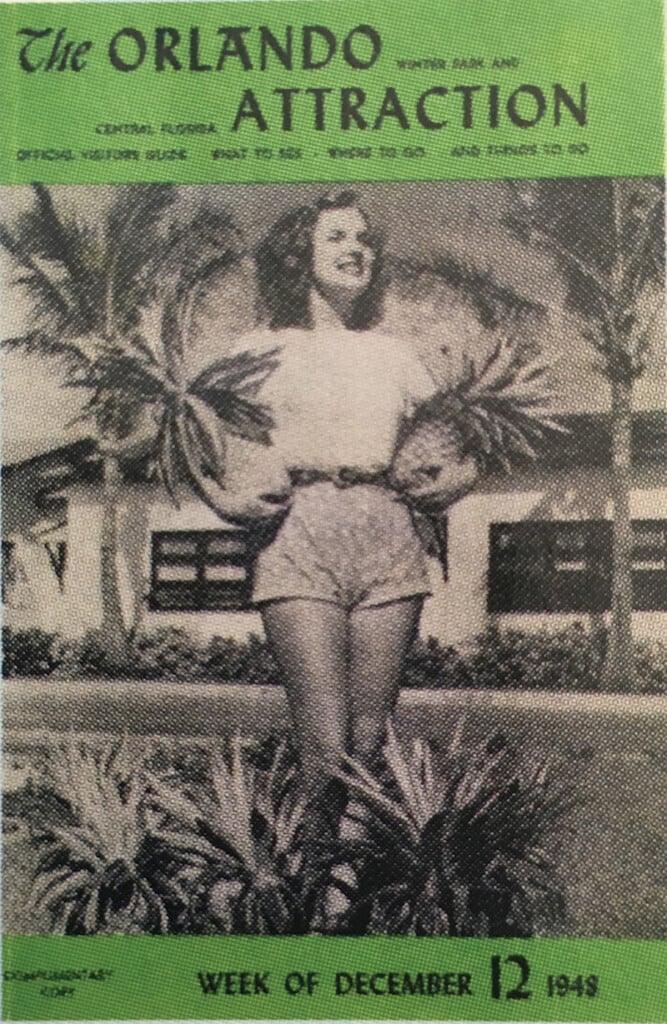
In the beginning, there was Hugh Waters. In 1946 the newspaper ad salesman decided to quit his job and start a magazine that would cater to the small band of winter visitors who came to Central Florida each year. He called the digest-sized publication The Orlando Attraction, and it was published weekly from November to April, listing 20-30 pages of information such as local points of interest, the best places to fish and church locations. Think of a simpler time, before digital photography, slick color pages, and social media. Waters and his wife, Denny, ran the operation from their garage apartment. Both sold advertising. The average price for an ad: $3.75. Some of those earlier advertisers that kept the magazine alive: Gary’s Duck Inn, Cypress Gardens, Mount Vernon Inn, First National Bank of Orlando, and the San Juan and Angebilt hotels.
That small booklet was the start of Orlando magazine. It featured little editorial content, until, in 1962, an Associated Press journalist from New York named Edward L. Prizer bought the magazine for $17,000, deciding to focus it on the growth and development he saw on the horizon. He and wife Artice ran the publication from their house.
One of Prizer’s biggest innovations: Realizing that real estate could be sold in a magazine just as effectively as in newspapers. Still, the Orlando-Winter Park Attraction, as it was now called, struggled.
In its infancy, like many regional city magazines of the era, Orlando magazine began modestly — serving as a digest of local happenings, community news, and human interest stories. Over time, it became woven into the fabric of the region, giving readers both a mirror to their city and a window into its evolving identity.
Through the Decades: Name, People, and Identity Shifts
By the 1970s, Orlando magazine was known by a different moniker: Orlando‑Land Magazine. That earlier name evokes a different era, one of a smaller, more intimate Orlando, where the city felt more like a town and less like the metro-area juggernaut it is today.
Part of what powered the magazine through its early decades was the dedication of the staff, often working under lean conditions, yet determined to tell stories that resonated. In one piece reflecting on the early years, two of the magazine’s longtime journalists recalled working “out of a back bedroom of publisher Ed Prizer’s house in Maitland for maybe three years.” They used Selectric typewriters, handled layout, typesetting, proofreading; essentially wearing many hats and writing “like a diary,” striving to make their stories personal and relatable.
That deeply personal, community-rooted approach helped define Orlando magazine’s unique voice, distinguishing it from larger regional or national publications and binding it to the souls of local neighborhoods, businesses, and families.
A sampling of notable covers from The Orlando Attraction.

1970s–1990s: Growth, Change, and Spotlighting a Changing City
As Orlando began to grow, buoyed by demographic shifts, tourism, and broader development, Orlando magazine rode alongside, evolving in form and content to match the city’s energy. The shift from Orlando-Land to Orlando magazine signaled not just a name change, but a repositioning: from quaint, localized city coverage to a broader, more ambitious chronicle of a city in transition.
During this period, the magazine began to expand its scope: documenting Orlando’s growth, its cultural development, celebrity appearances, the rise of major local industries, and urban modernization. The storytelling became deeper, the photography richer, and the covers more symbolic — asserting that Orlando was no longer a sleepy town, but a city of aspirations.
I am text block. Click edit button to change this text. Lorem ipsum dolor sit amet, consectetur adipiscing elit. Ut elit tellus, luctus nec ullamcorper mattis, pulvinar dapibus leo.
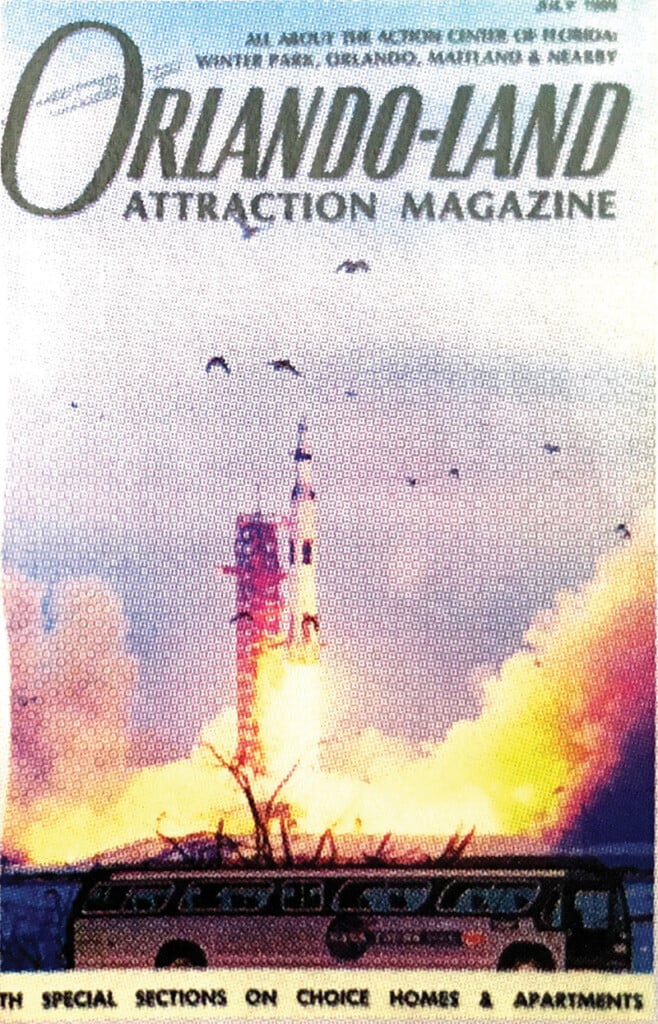
1969: Orlando-Land Attraction Magazine becomes a full-color monthly city magazine— Illustration honoring the Apollo 11 launch.
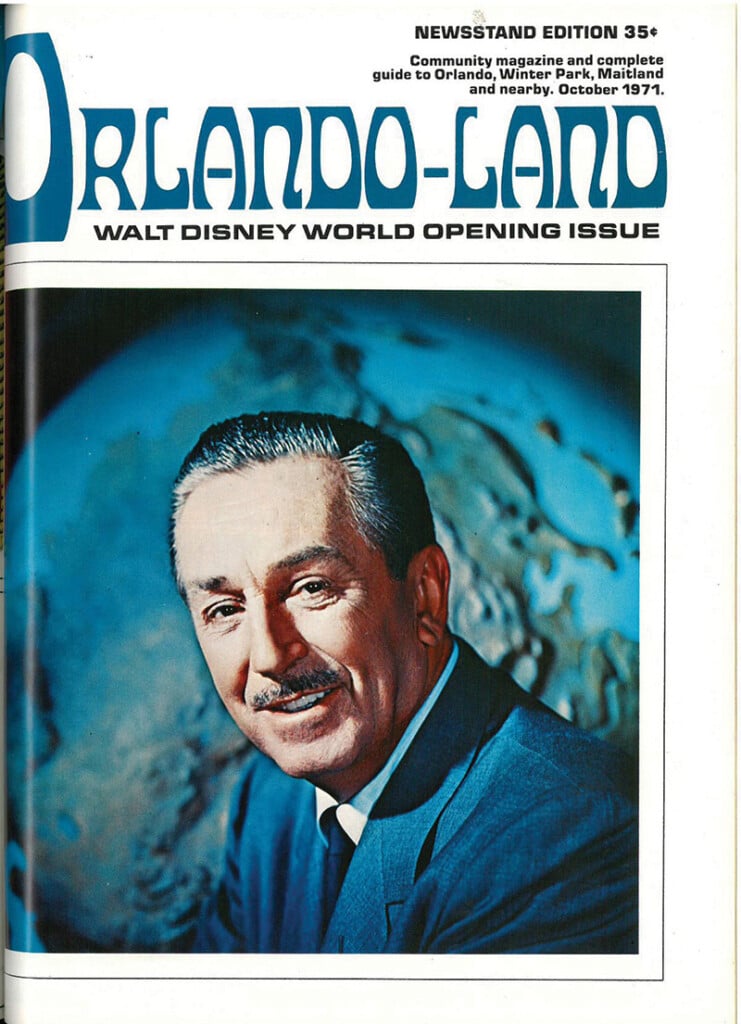
The magazine simplifies its name to just Orlando-Land. October 1971: Walt Disney World opening issue with Walt on the cover
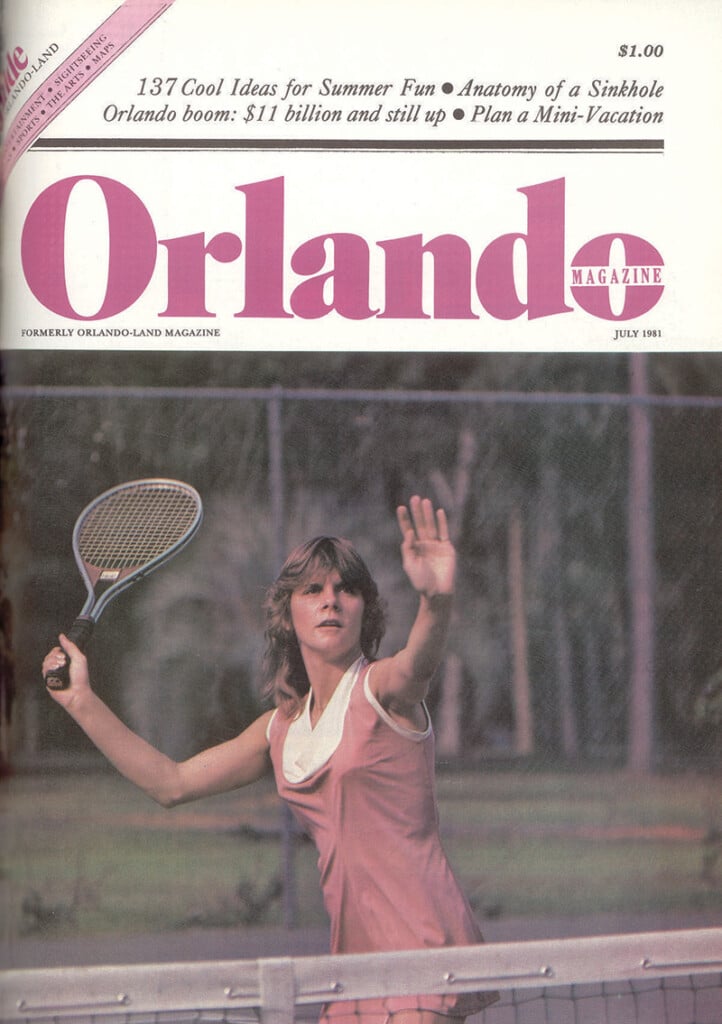
July 1981: the publication officially changes its name to Orlando magazine.
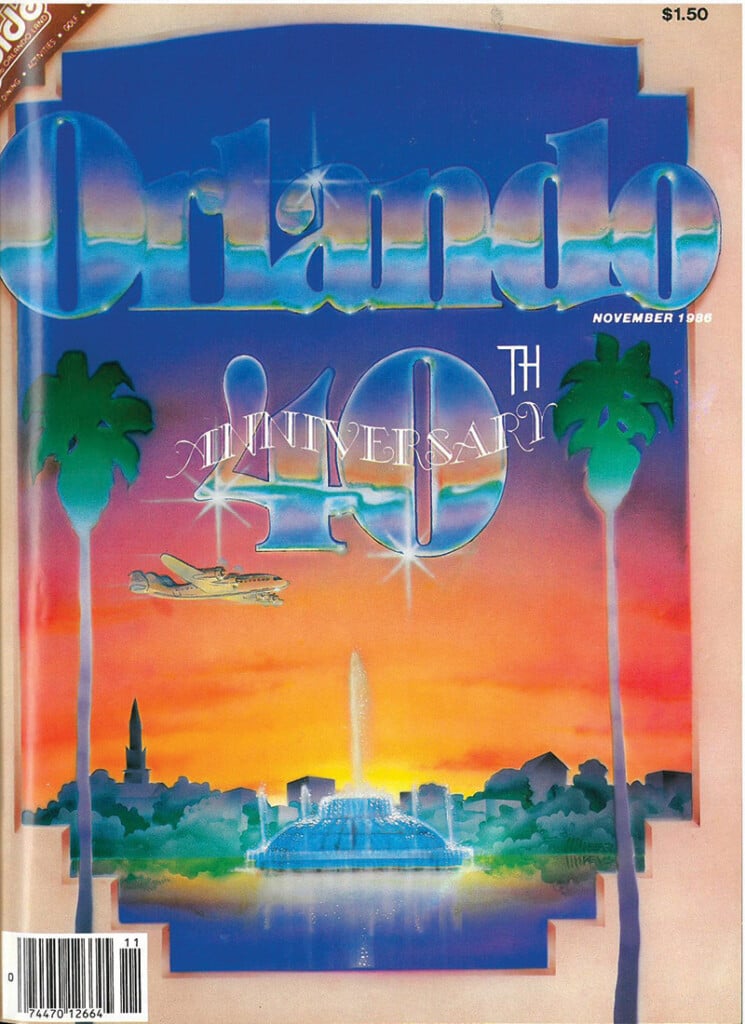
November 1987: The Silver Skillet Awards—A precursor to our annual Dining Awards
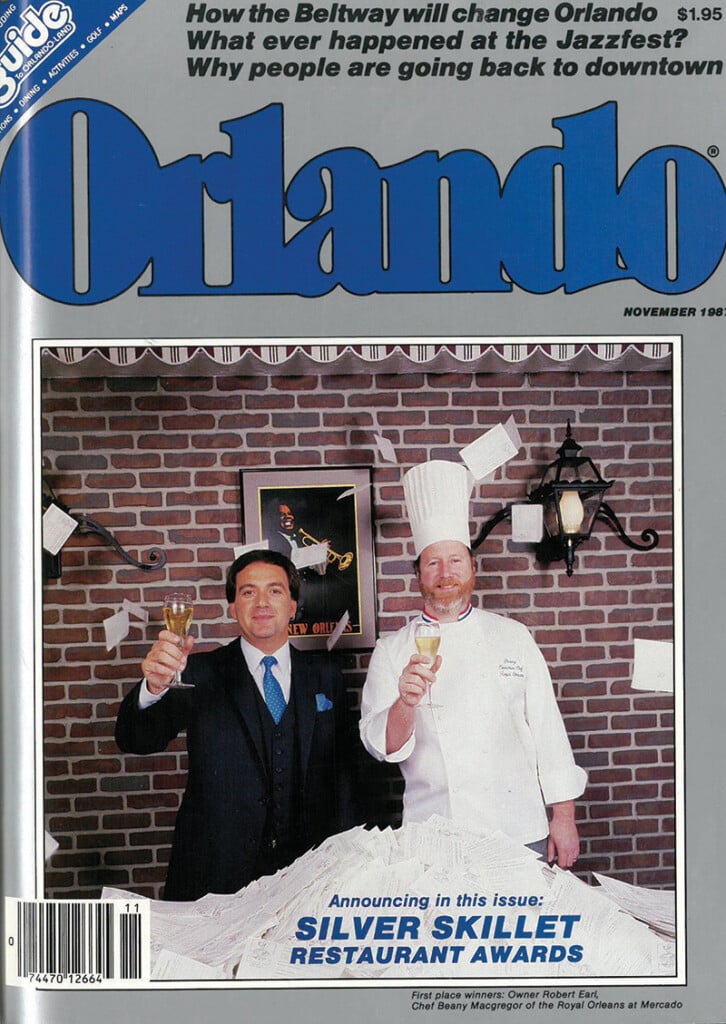
November 1987: The Silver Skillet Awards—A precursor to our annual Dining Awards
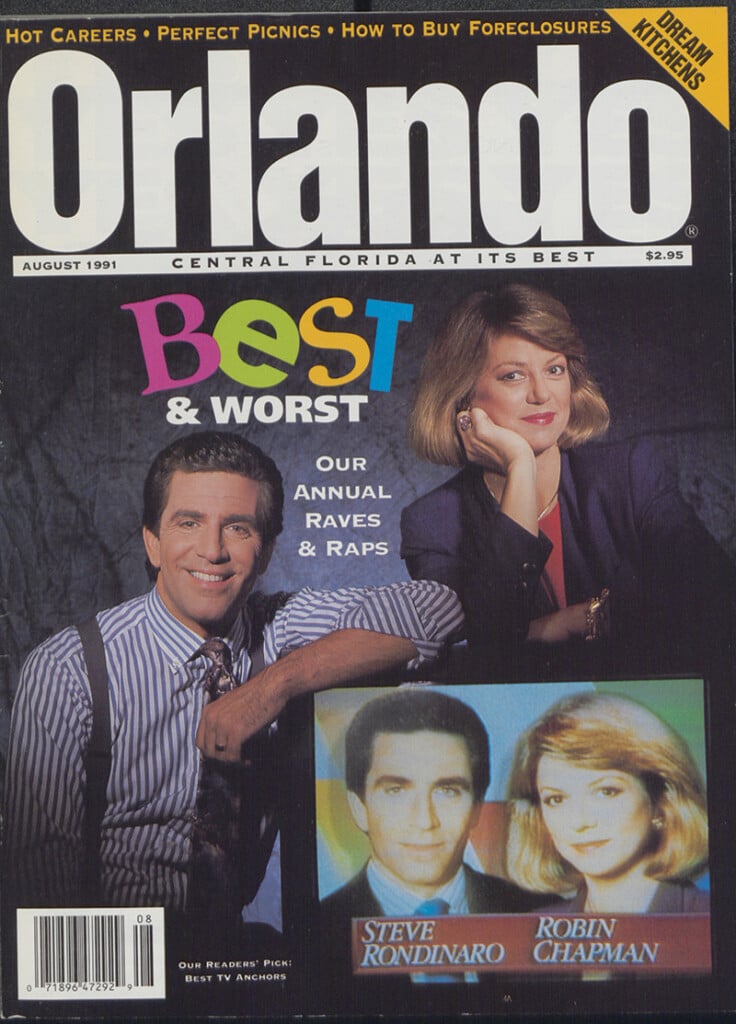
Our first annual Best & Worst reader poll, to later become Best of ORL.
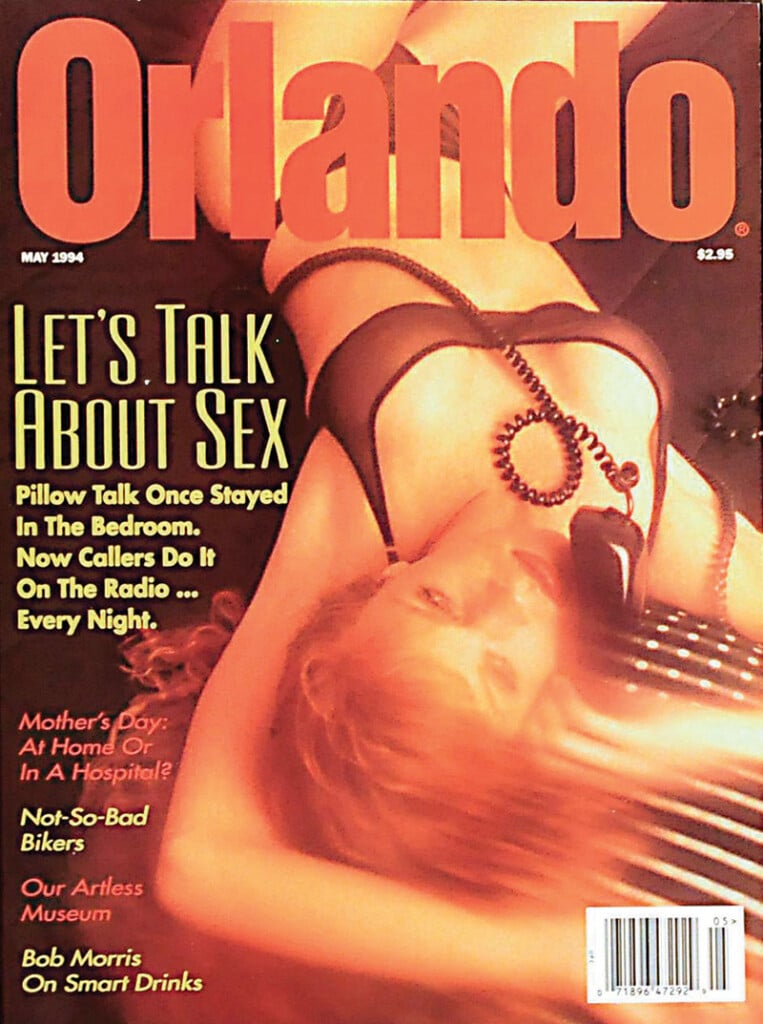
The infamous sex issue that we took a lot of heat for.
The 70th Anniversary: Reflection, Memory, and Community
In March 2016, Orlando magazine marked its 70th birthday with a special commemorative issue titled “Celebrating 70.” Editor Barry Glenn offered “snapshots of the people, places and issues that have shaped our community — and this magazine — for the past seven decades.”
This retrospective took readers on a journey through Orlando’s metamorphosis: from early neighborhoods and downtown landmarks to the era of theme parks, suburban sprawl, arts and cultural maturation, and the arrival of a diversity of new residents and perspectives. The 70th issue became both an elegy to a gentler Orlando of decades past and a testament to the magazine’s own staying power.
Among the many stories in that edition, one stands out: the tale of two pioneering journalists, Carole DePinto and Elaine Schooping. Their story reminds us that behind every glossy cover and feature spread are people who devoted countless hours, often under challenging conditions, just to bring truth, nuance, color, and warmth to Orlando’s story.
DePinto and Schooping became symbols of the magazine’s early spirit. Their dedication, their friendship, and their belief in the magazine as a community institution shaped the voice and character of Orlando magazine for decades. Through their eyes, readers didn’t just read about the city — they felt a part of it.
Read this full story from our archives here: orlandomagazine.com/anniversary-genuine-articles/
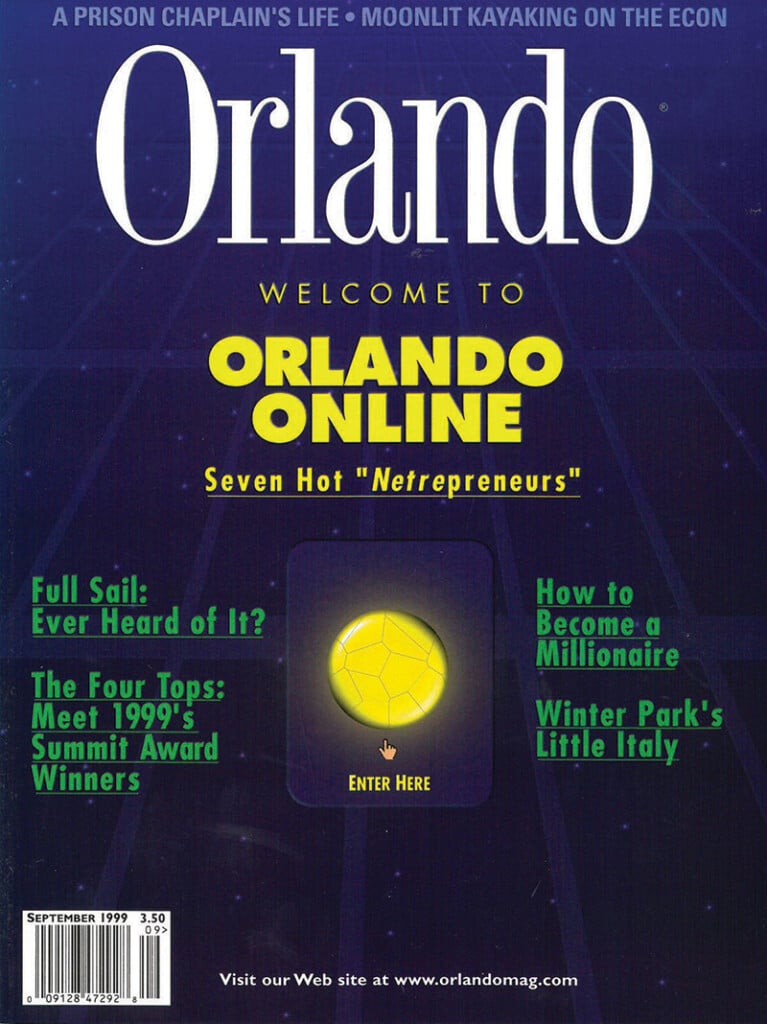
September 1999: First appearance of our then website: www.orlandomag.com
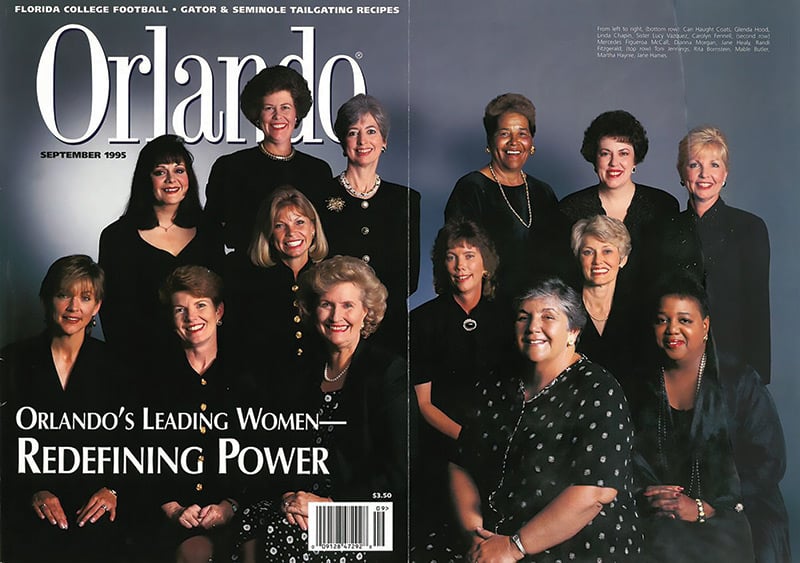
September 1995: Spotlighting Orlando’s Leading Women, including then Orlando Mayor Glenda E. Hoo
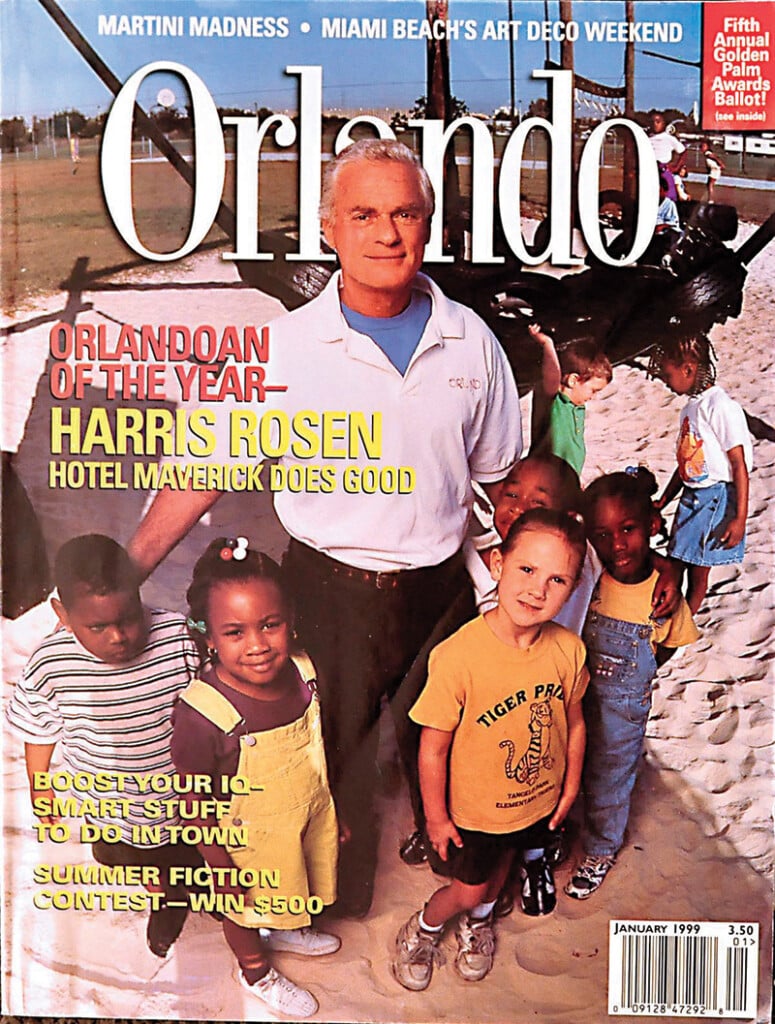
January 1999: Philanthropist & Hotelier Harris Rosen receives Orlandoan of the Year.

December 2000: Inaugural issue of Finest Doctors issue that celebrated its 26th edition in 2025.
Why Orlando Magazine Matters: Chronicler, Community Mirror, Cultural Touchstone
Eight decades is more than a milestone. It is a legacy. For the people of Orlando and the surrounding region, Orlando magazine isn’t just a publication; it’s a cultural artifact. It preserves memory, records change and holds a mirror up to the community.
An archive of memory. Looking back through old issues is like walking through Orlando’s history: neighborhoods long gone, landmarks replaced, cultural norms shifted — all recorded in ink and original photos.
A voice for community. Through personal stories, local journalism, and human-centered reporting, Orlando magazine helps define what Orlando means — not just in terms of growth or economy, but sense of place, belonging, and identity.
A catalyst for conversation. By highlighting local issues, arts, lifestyle, and culture, the magazine has helped shape public discourse. It champions local businesses, celebrates cultural contributions, and invites readers to reflect on where Orlando has been — and where it’s going.
Orlando and Its Changing Landscape
Over 80 years, Orlando transformed dramatically. From a mid-century small city to a vibrant, sprawling metropolitan hub, its evolution has touched every aspect of life: economy, demographics, culture, and identity. Along the way, Orlando magazine served as both chronicler and catalyst.
As the city expanded, so did the magazine’s coverage, addressing not only arts, dining, and entertainment, but also growth, urban planning, neighborhood dynamics, civic issues, and the human stories behind them. In many ways, Orlando magazine matured with the city; as Orlando became more complex, the magazine deepened its own complexity too.
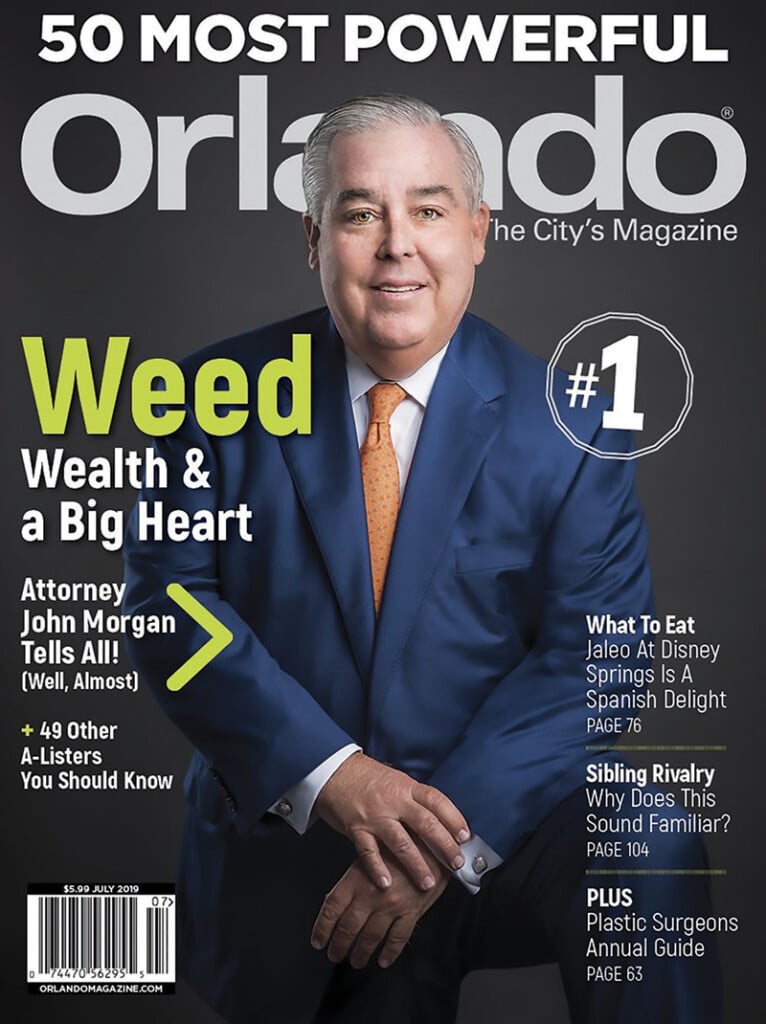
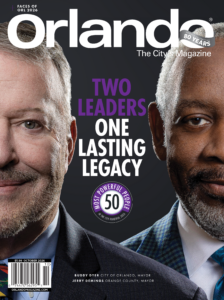
July 2019: In the 18th edition of Orlando magazine 50 Most Powerful issue, John Morgan secured the top position
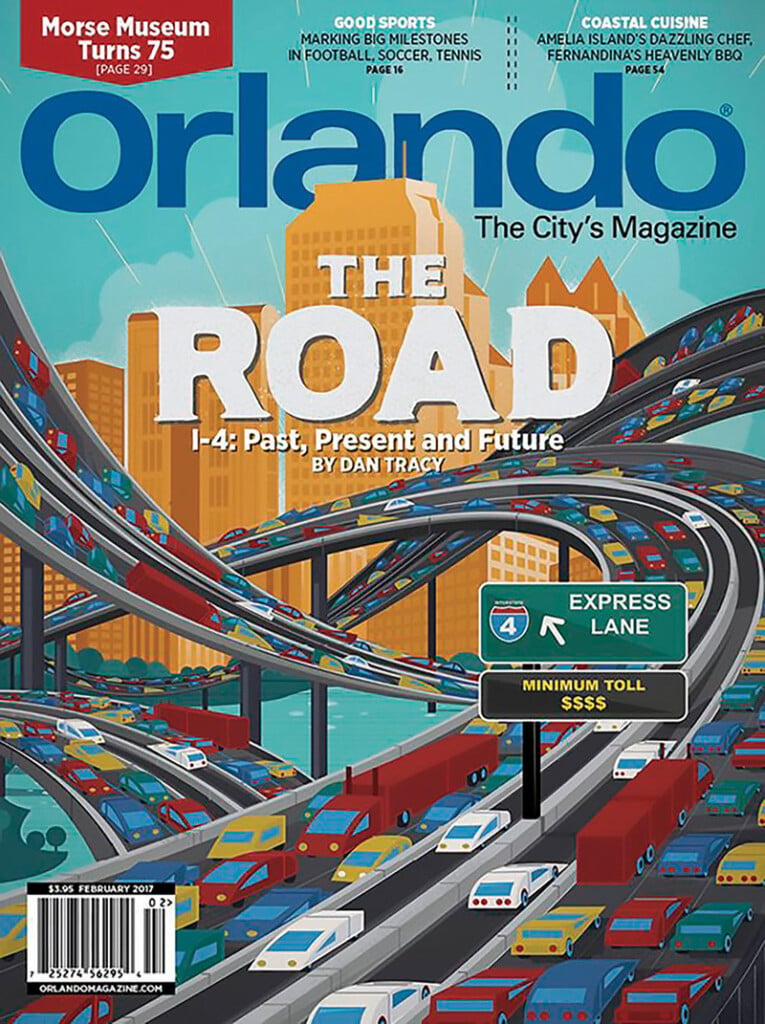
February 2017: I-4 is the topic of several issues throughout the years
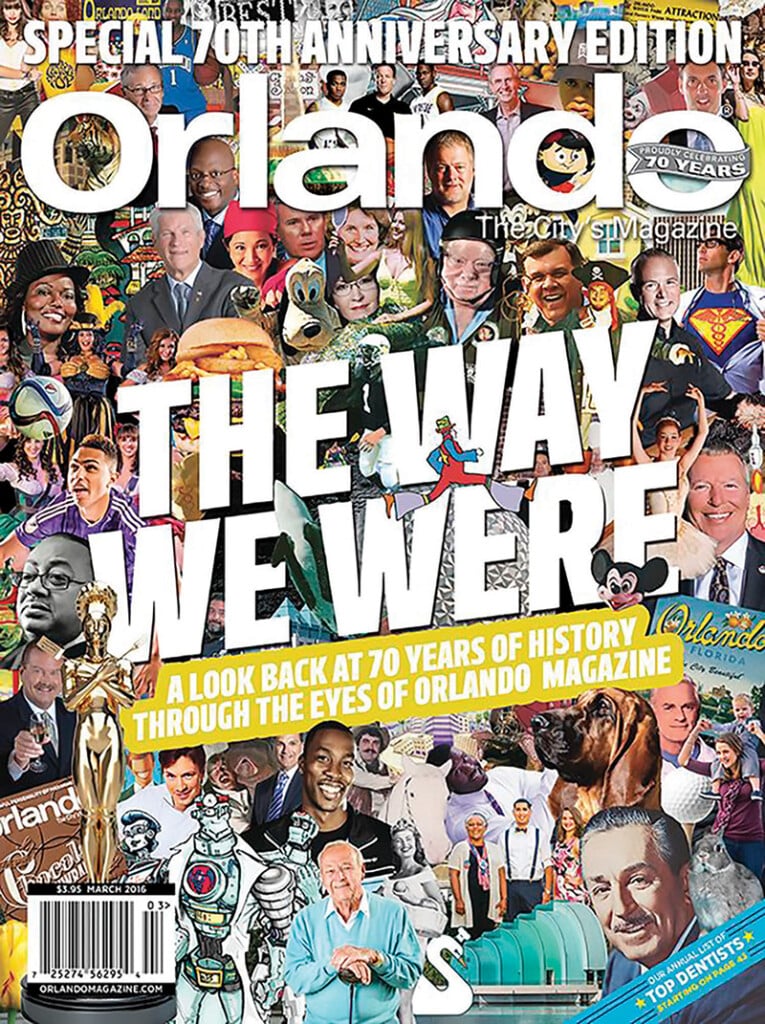
2016: Orlando magazine Special 70th Anniversary Issue.
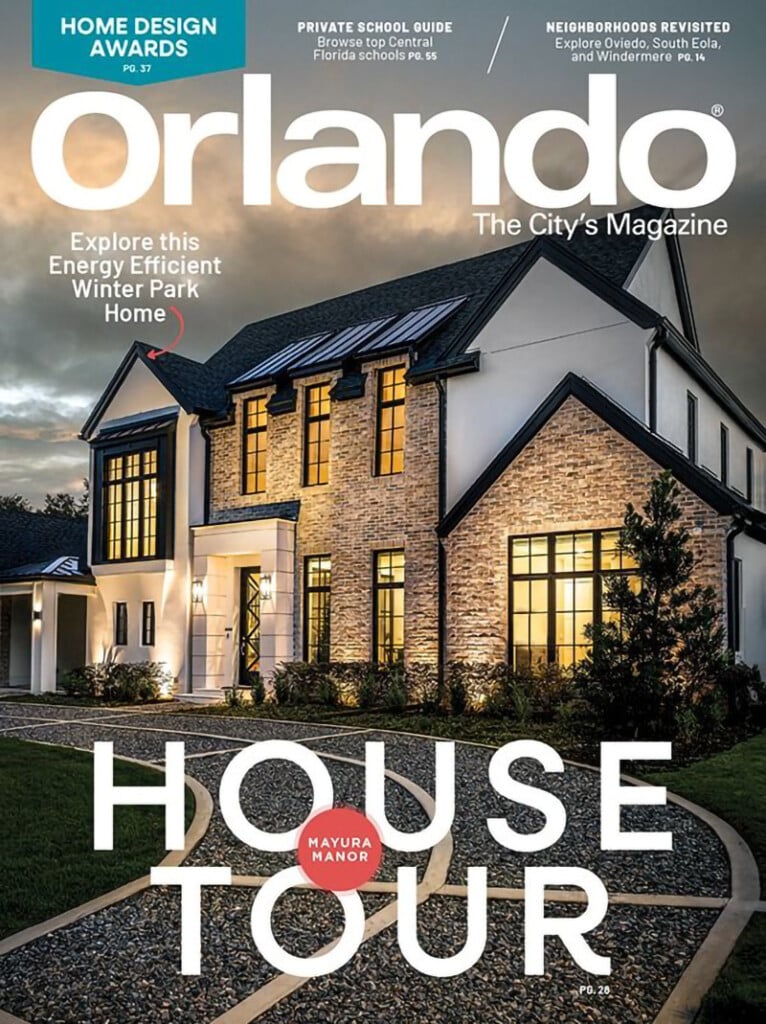
January 2024: The annual Home Design Issue
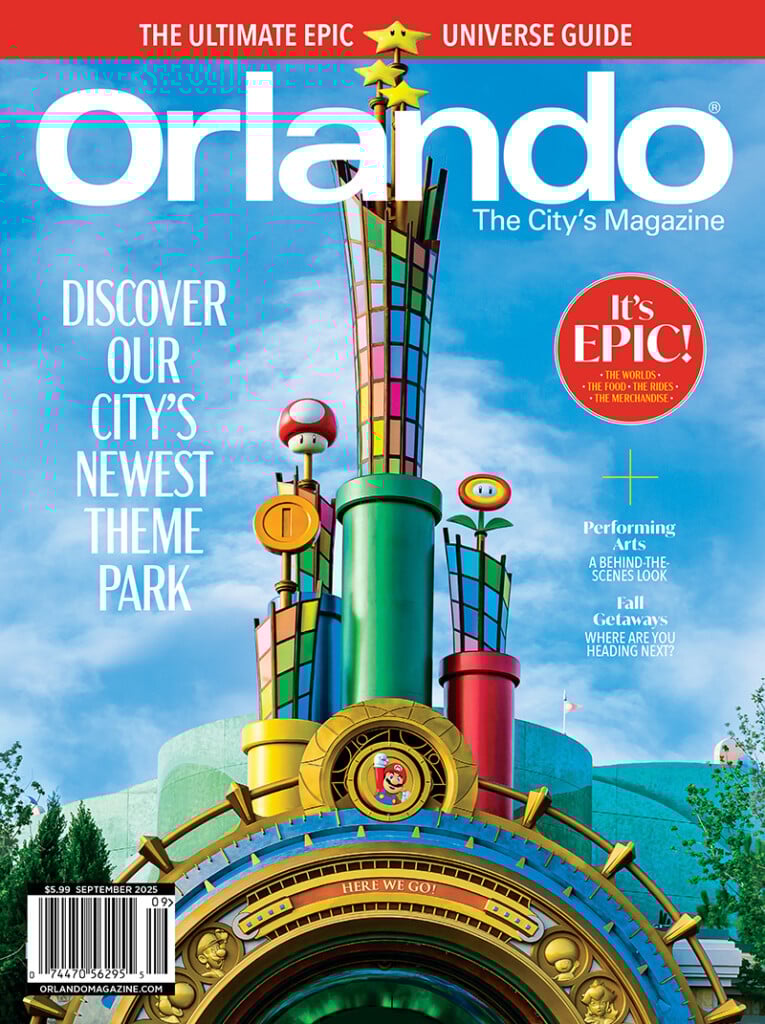
September 2025: A deep dive into Orlando’s newest theme park.
Looking Forward to 2026 and Beyond
Now, as Orlando magazine celebrates 80 years in 2026, it stands at a fascinating crossroads. The city has never been more dynamic, yet the pressures and challenges of growth, from urban sprawl and development to cultural change and shifting demographics are greater than ever. In that context, the role of a faithful, community-rooted magazine is more important than ever.
To thrive in this new era, the magazine will need to balance honoring the city’s heritage with capturing the realities of a rapidly changing present. It will need to stay relevant for long-time residents while embracing new voices, stories, and experiences.
The legacy of early contributors like DePinto and Schooping, two local journalists who poured heart, sweat, and late nights into their work so that readers could “see themselves” in the city, remains a potent reminder of what a magazine can and should be. As Orlando grows, that spirit should guide the magazine’s future: grounded in community, committed to storytelling, and faithful to truth.
In celebrating 80 years, Orlando magazine does more than mark time. It reminds us that a city is not just bricks, roads, and buildings, it’s people. And through these pages, generations of Orlandoans have told their story: city by city, neighborhood by neighborhood, life by life.
Here’s to the next 80 years and the stories yet to be told.