A First-Timer’s guide to Punta Cana: Why the all-inclusive model just makes sense
The Caribbean is full of postcard beaches, but Punta Cana has a few practical advantages that keep pulling people back.

There’s a particular kind of relief that comes over travelers the moment they realize they don’t have to think about money for the rest of the trip.
No mental math over a dinner menu, no haggling with a taxi driver, no wondering if the excursion price is fair.
That’s the appeal of Punta Cana, the sun-drenched region on the eastern tip of the Dominican Republic. It has quietly become one of the most reliable warm-weather escapes for North American travelers.
Why Punta Cana, Specifically
The Caribbean is full of postcard beaches, but Punta Cana has a few practical advantages that keep pulling people back.
Flights from most East Coast hubs run under four hours. A Friday afternoon departure can have you on the sand before dinner.
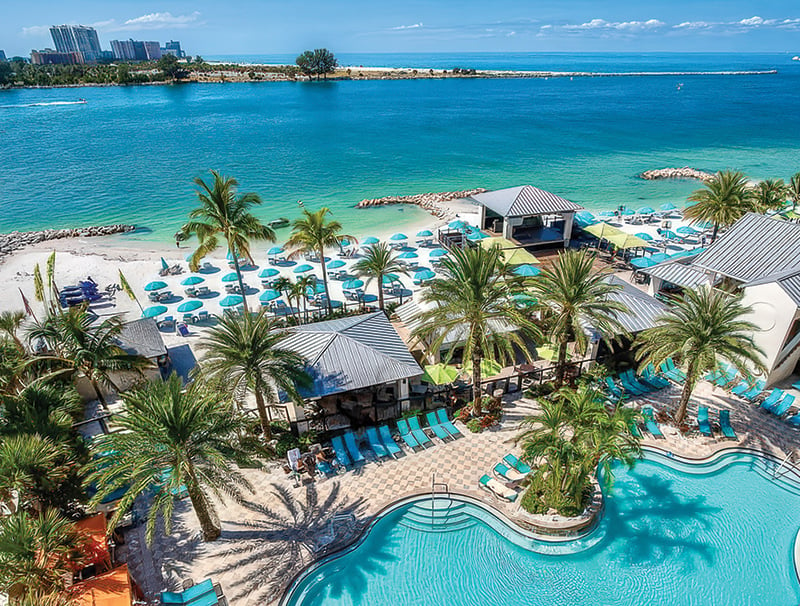
The region’s coastline, especially the stretch known as Bávaro, is lined with genuinely soft white sand and calm, reef-protected water. That’s a rarer combination than travelers might expect.
The area also benefits from decades of tourism infrastructure. Unlike destinations still building out their hospitality sector, Punta Cana has an enormous concentration of resorts.
That competition among properties translates into real value for travelers: more amenities, more inclusions, and more polish for the price.
What “All-Inclusive” Actually Means Here
The term gets used loosely across the industry, so it’s worth being specific about what a strong stay here typically covers.
That includes all meals across multiple on-site restaurants, unlimited drinks, non-motorized water sports, entertainment programming, and often specialty dining that would otherwise run $50-plus a head elsewhere.
Large resorts in Bávaro tend to lean into scale — multiple pools, expansive buffets, kids’ clubs, and swim-up bars. That makes a Punta Cana all inclusive stay a natural fit for families or groups who want everyone occupied without a shared itinerary.
The practical upside is budgeting. Because the bulk of the cost is paid upfront, travelers already know their total spend before they arrive, aside from tips and off-site excursions.
For anyone who has ever had a “great trip, rough credit card statement” moment, that predictability is worth a lot.
A Realistic Day In Punta Cana
Mornings tend to move slowly — coffee on a balcony, a walk down the beach before the heat sets in.
Most resorts in the region offer non-motorized water sports at no extra charge. Kayaking or a stand-up paddleboard session before breakfast is an easy way to start the day.
By midday, the pools fill in, buffets rotate through lunch service, and the beach chairs become the default meeting point for groups traveling together.
Afternoons are where the region distinguishes itself from smaller Caribbean islands. Because Punta Cana’s tourism zone is so large, there’s a genuine range of excursions available without leaving the area.
Catamaran trips along the coast, ATV tours inland toward smaller villages, snorkeling trips to nearby reefs, and golf courses on flat coastal terrain are all a short van ride away.
Evenings settle back into the all-inclusive rhythm: rotating themed dinners, live music near the pool bars, and enough downtime that nobody feels obligated to be anywhere.
Who Punta Cana Works Best For
It’s worth being honest about fit. Punta Cana is not the destination for travelers chasing rugged, off-the-beaten-path adventure.
For deep cultural immersion, the Dominican Republic’s interior and the Samaná peninsula are better suited.
What Punta Cana does exceptionally well is low-friction relaxation. Families need a resort that can occupy multiple age groups at once, and couples want a beach trip without decision fatigue.
It’s also a strong choice for first-time Caribbean travelers. English-speaking staff, a familiar all-inclusive format, and a dense concentration of resorts make it a lower-risk entry point.
The Bottom Line
Punta Cana isn’t trying to be the most exotic corner of the Caribbean, and that’s precisely the point.
It’s built for travelers who want warm water, dependable weather, and a trip where the hardest decision each day is which pool to sit by.
For anyone weighing a first all-inclusive trip, it’s one of the more consistent bets in the region — and one that rewards very little advance research to get right.