How Technology Is Changing the Modern Museum Experience

Once viewed as quiet halls filled with static artifacts and long-winded placards, museums are redefining themselves through technology. Visitors now encounter interactive screens, immersive digital installations, and tailored journeys designed to engage everyone from families to history buffs. For instance, with so much digital information available online, it becomes important to distinguish essential museum features from unrelated offers such as a Social Casino Sign Up Bonus. The switch to visitor-driven experiences means more than just adding gadgets, it is reshaping how people connect with culture and history.
From placards to platforms: multimedia in museums
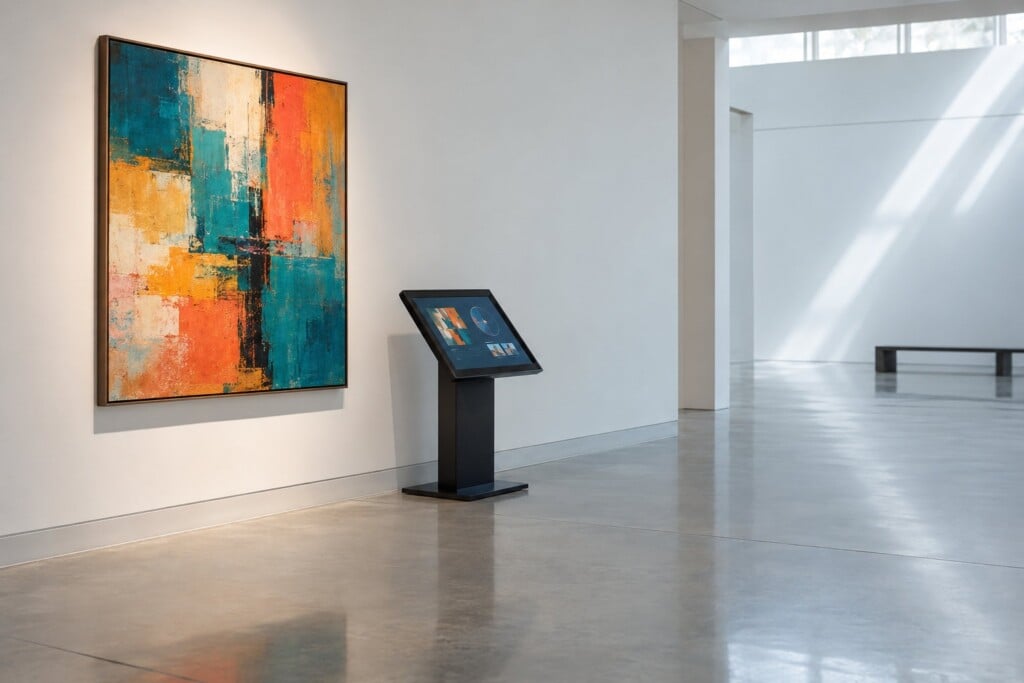
Instead of relying solely on printed descriptions, museums now use audio guides, video displays, and digital projections to add context and deepen understanding. With mobile guides accessible on your own device, you can explore at your own pace, unlock video content, or hear stories tailored to your interests. Display screens beside objects can offer restoration time-lapses or interviews with conservators. This evolution allows a richer, more layered way to absorb information.
Interactive design and immersive experiences
Modern galleries increasingly use motion sensors, responsive lighting, and touchless interfaces to create environments that respond to your presence. Interactive walls, immersive installations, and digital elements can help bring paintings or artifacts to life without overshadowing the original pieces. Smart design focuses on enhancing what is already there, inviting you to look closer, rather than distracting you with technology for its own sake.
Augmented and virtual reality: a new dimension of engagement
Augmented reality overlays, accessible via museum apps or provided devices, can show ancient structures reconstructed in their original form or let you witness a “before and after” for conservation projects. In some spaces, virtual reality offers self-contained journeys: step inside a vanished landscape or experience historic events firsthand. These tools provide fresh perspectives without physically changing core collections.
Personalized, accessible visits for everyone
Digital ticketing, timed entry, and app-based navigation help museums deliver smoother and more customized visits. You can choose content paths based on age, language, interest, or accessibility needs, while features like captioning, descriptive audio, and multi-sensory guides support wider inclusion. Improved wayfinding using beacons or interactive maps can also support visitors with mobility or sensory differences.
Behind the scenes and beyond the walls
New tools like 3D scanning and digital catalogs help conservators preserve and study artifacts in greater detail. Environmental sensors help protect objects from harm, while digitization extends collections to researchers and the public worldwide. Virtual tours and live-streamed talks, now offered by many institutions, let you experience exhibits remotely, expanding reach without replacing the unique atmosphere of in-person discovery.
Balancing digital advances with visitor needs
As museums embrace technology, challenges remain. Data privacy, device maintenance, and the cost of frequent updates pose practical hurdles. Some visitors may feel overwhelmed by screens or prefer traditional, low-tech experiences. Equity gaps can emerge if high-tech features are not accessible to all guests. Future developments to watch include AI-driven guides, smarter accessibility tools, and new blends of physical and digital storytelling designed to ensure museums remain engaging and inclusive spaces for everyone.